Inchelium, Washington
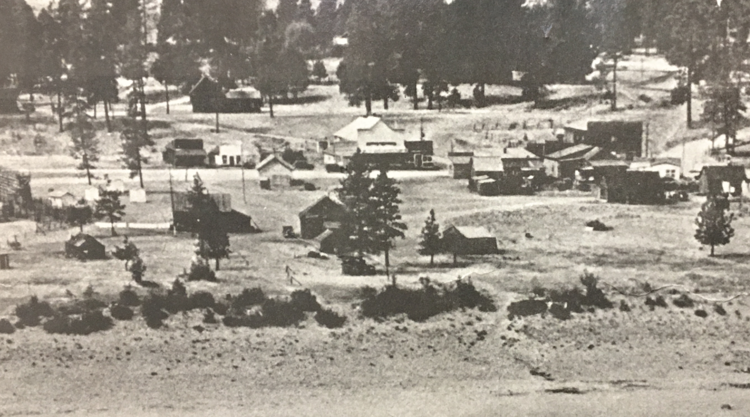
The first house in Inchelium was built in 1908. The town was initially called Buffalo, then Troy, but residents renamed it Inchelium—-which derives from a Sanpoil word meaning “where big water meets little water” or “meeting place among three waters”—-two years later. Located on the Colville Confederated Tribes Reservation, the community included both Indigenous and white inhabitants, and was the site of a Columbia River ferry crossing. In the 1930s, Inchelium hosted four celebratory gatherings, called Ceeah Spatakum, that included Indigenous art exhibits, food, and agricultural and home economics demonstrations. Inchelium Red Garlic, the oldest variety of cultivated garlic in North America, originated in the area. The town relocated to higher ground in the 1930s, before Grand Coulee Dam inundated Inchelium’s original townsite.
About this community
- River
- Columbia River
- Established
- 1908
- Inundated
- 1942
The community that was displaced
- Displacement cost
- $8,657,889
- Property value
- $1,054,058
- Vocations
- farmer, fisherman, rancher
- Birthplaces
- local
Sources
- https://www.tribaltribune.com/image_ad2e2afe-680e-11e7-9baa-d39aae67665b.html
- https://revisitwa.org/waypoint/inchelium/
- https://www.tribaltribune.com/news/article_bab0603c-25d6-11eb-8292-3b037f306be7.html
- The Colville Examiner, "Seek Townsite for Inchelium" (March 19, 1938).
- The Spokesman-Review, "Farewell Fair for Inchelium" (August 31, 1939).