The Weight of Water - Ethical Dilemmas in Large-Scale Dam Projects
by Alex Watt, Graduate Research Assistant (2025)
During the 20th century in the United States, the Army Corps of Engineers and the Bureau of Reclamation led an era of large-scale dam construction, reshaping rivers to achieve flood control, generate hydropower, and provide irrigation, among other goals. As historians have noted, these projects brought undeniable benefits: they electrified rural America, stabilized food supplies, protected millions from devastating floods, and created thousands of jobs. Reservoirs became sources of drinking water and recreation, offering a vision of progress that appeared boundless. Yet, this vision came at a profound cost—one measured not only in dollars or displaced acres but in human lives uprooted and ways of life erased.
Beneath the surfaces of reservoirs across the United States lie the remnants of countless lives once intertwined with the land. Farms, schools, churches, homes, family-businesses and cemeteries—all swallowed by rising waters. These were not just physical structures but the backdrops of human stories: where children learned to read, where couples exchanged vows, where generations shared meals and traditions. Reservoirs, for all their grandeur, often conceal a silent history of loss—a loss directly tied to the ethical dilemmas in deciding to flood one community for the perceived benefit of another. This history demands our attention, not only for its human toll but for what it reveals about the values underlying these monumental projects.

For millennia, humans have gravitated to river valleys. These fertile regions, rich in water and resources, have served as foundations of civilization, supporting trade, travel, and agriculture. Yet, the same geography that sustained communities also made them prime targets for dam construction. When planners deemed a new dam "necessary," entire towns were often sacrificed. Families who had lived on the land for generations were displaced, their homes reduced to ruins beneath artificial lakes. The loss was not merely physical—it was cultural. The concept of "loss of place" encapsulates the profound disorientation and grief of being severed from land that holds deep personal and communal meaning. For many, this loss signified not just the destruction of a home but the erasure of identity, memory, and history.
The cost-benefit analysis models used by dam-building agencies and their supporters aimed to provide the greatest benefits to the greatest number of people, drawing on the ethical framework of Utilitarianism—a perspective with deep roots in philosophical thought and broad support among scholars.1
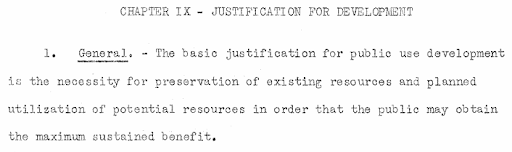
In theory, a utilitarian approach offers a practical way to balance competing interests and navigate difficult decisions. However, in practice, these models often prioritized measurable outcomes like energy production, flood prevention, and economic growth while undervaluing losses that were harder to quantify. Intangible losses—such as homes, cultural traditions, and connections to place—were no less significant simply because they were difficult to measure. By reducing these losses to abstract figures or dismissing them altogether, these calculations ignored a crucial element of Utilitarianism: that the depth and significance of harm are just as important as the number of people affected.
To fully grasp this error, consider the moral calculus behind these decisions. On one side were densely populated cities, vulnerable to catastrophic flooding. On the other, small communities thrived in floodplains destined to become reservoirs. Planners framed displacement as a necessary sacrifice for the greater good. But this framing reduces displaced communities to mere numbers—an abstract "cost" to be minimized—while erasing the lived realities of their loss. These were not just villages or farmlands but homes, where people worked, loved, and dreamed. Places like Detroit, Oregon, where Harold Baughn learned to swim, laughed with his brothers so hard they could barely breathe, and shared his only childhood moments with a mother free of tuberculosis. To measure such losses in dollars or acres alone is to strip them of their humanity, erasing the emotional and cultural weight of what was truly sacrificed.
Utilitarianism, when applied rigorously, demands more than a simple tally of beneficiaries versus those harmed. It forces a moral agent to ask: What is the nature of the harm? How profound is the loss? And could the same benefits be achieved through alternatives that minimize suffering? During the Big Dam Era, these questions were often left unexamined. The result was a moral shortcut, where the needs of the many overshadowed the voices of the few, and progress was defined by what was built rather than what was destroyed.

The displacement caused by large-scale dams raises significant ethical concerns about cultural erasure. When communities are uprooted, their traditions, relationships, and shared histories are often fractured in ways that cannot be fully repaired. Ovid Orr’s story vividly illustrates this harm. In 1938, Orr was forced to leave his home in Old Detroit when plans to flood the town were announced. His land—with its orchards, gardens, and log house—was more than property; it was the heart of his life, cultivated through years of labor and care. Despite pleading with authorities for fair compensation, Orr was ultimately left with little choice but to sell his land for far less than its worth. The reservoir that submerged his home severed not just his physical ties to the land but also the deep personal and communal meaning it held. Stories like Orr’s are far from unique—they echo the experiences of countless others whose lives were upended by such projects. Beneath the surface of reservoirs lie histories that demand recognition, urging us to reevaluate how we weigh the human costs of progress in our ethical decision-making.
As we face a world increasingly shaped by the rising risks of flooding, droughts, and wildfires, the lessons of the Big Dam Era remain critically relevant. How can we ensure that "necessary sacrifices" are assessed through a comprehensive perspective—one that values not only what is gained but also what is lost? Should we continue to prioritize efficiency and utility above all else, or can we evolve our decision-making frameworks to embrace empathy, equity, and respect for cultural continuity?
The reservoirs of the 20th century's dams stand not only as monuments to the power of human engineering but also as shrouds, veiling the stories submerged beneath their waters. While the benefits of these projects are undeniable, the processes by which they were justified and executed demand deeper scrutiny. A truly Utilitarian approach to large-scale infrastructure, grounded in centuries of philosophical thought, must embrace a more holistic vision—one that accounts for both the tangible and intangible. It must weigh not only the number of lives protected but also the depth of what is lost, ensuring that progress no longer exacts its price by silencing the stories of the past beneath its rising waters.